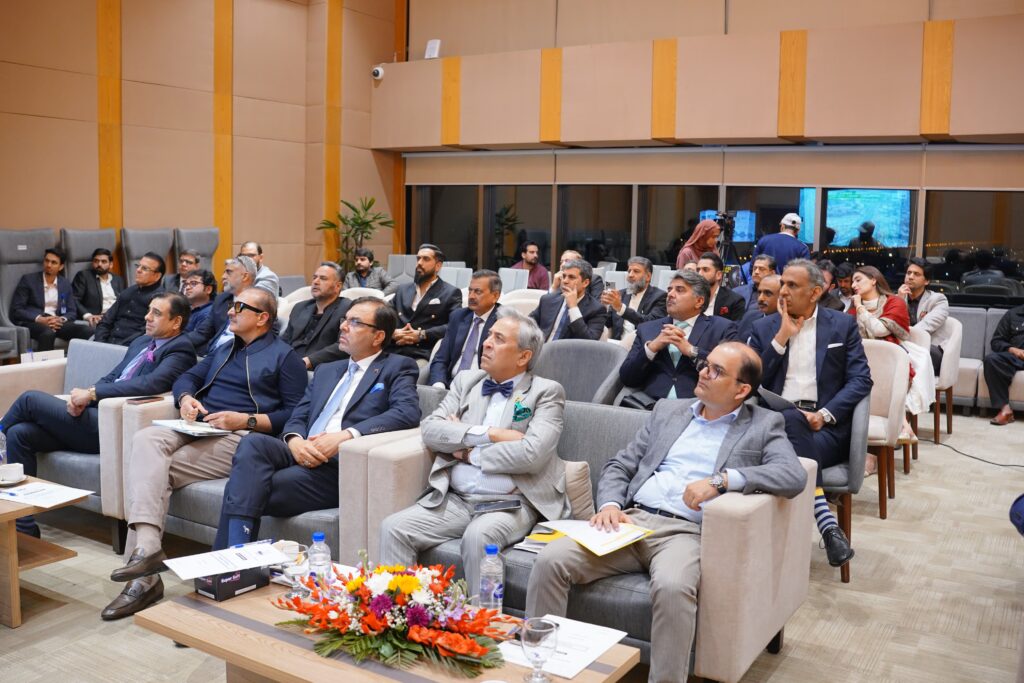
Lahore’s urban future is entering a new phase — one defined not by expansion alone, but by structure, sustainability, and financial viability. This shift was the focus of the DHA Business Forum 2026 – Inaugural Edition, themed “Lahore’s 5–10 Year Opportunity Landscape: Building Lahore’s Next Decade.”
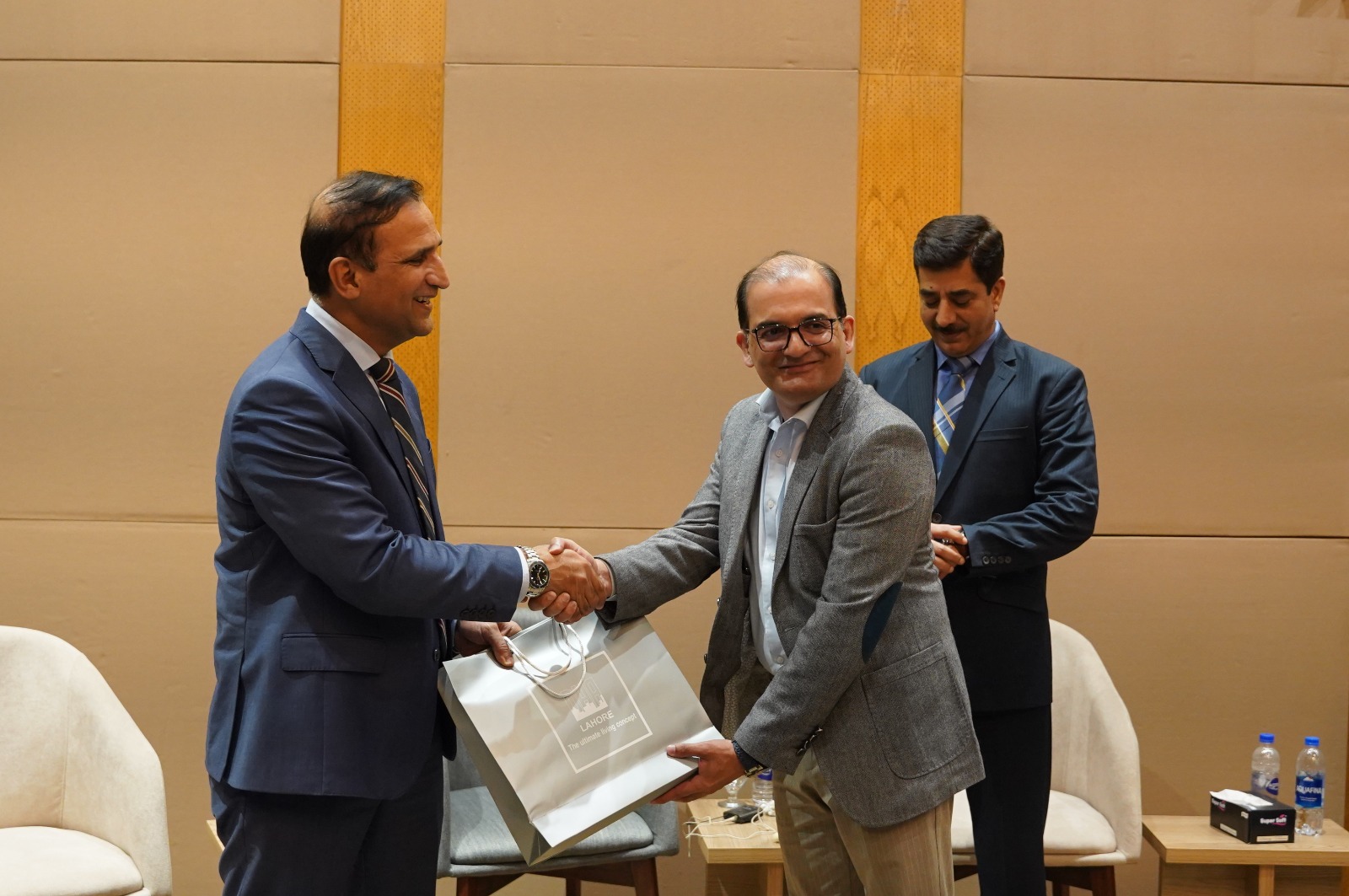
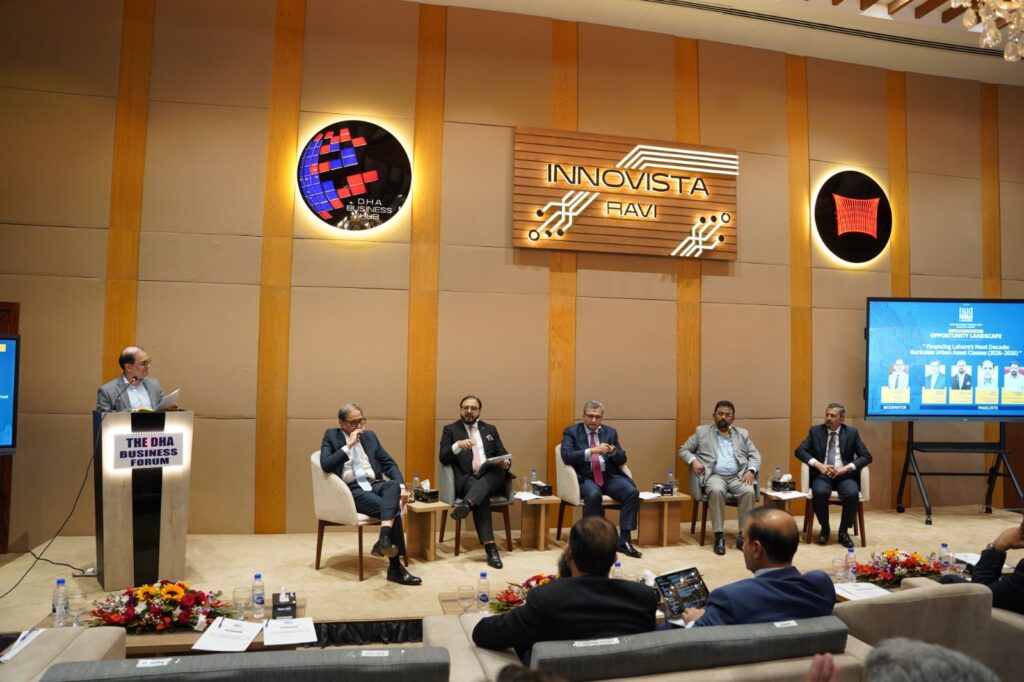
A key highlight of the forum was the panel discussion “Financing Lahore’s Next Decade: Bankable Urban Asset Classes (2026–2035)”, moderated by Sohaib Chaudhry, Chief Innovation Officer at Treet Corp, alongside senior banking leaders from across Pakistan’s financial sector.
The discussion centered on a critical question:
What makes urban development bankable in today’s economic environment?
A More Disciplined Capital Landscape
Panelists emphasized that financing conditions have evolved significantly in recent years. Capital is now more cautious, with lenders placing greater emphasis on risk management, governance, and documentation standards.
Banks increasingly evaluate projects through three core lenses:
- Sponsor credibility and governance strength
- Predictable and transparent cash flows
- Regulatory clarity and structured documentation
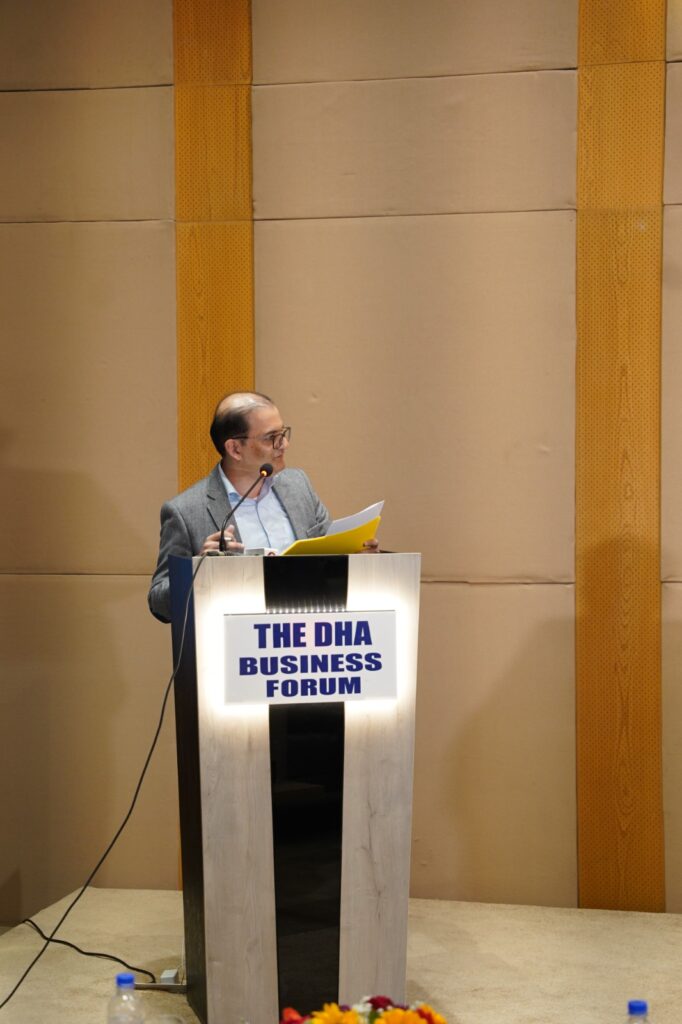
As moderator, Sohaib Chaudhry guided the discussion toward practical insights, focusing on how developers and institutions can align expectations to unlock financing rather than relying on speculative growth.
Redefining “Bankable” Development
A central theme of the panel was redefining what qualifies as a bankable urban project. Beyond location and land value, successful projects must now demonstrate institutional discipline and operational clarity.
Key requirements include:
- Transparent governance and structured project entities
- Clear approvals and compliance frameworks
Realistic financial modelling - Revenue-backed models supported by leasing, rentals, or pre-sales
The discussion highlighted a broader transition in urban real estate — from asset trading toward income-generating urban infrastructure.
Asset Classes Shaping Lahore’s Future
Looking toward 2030–2035, panelists identified several asset classes likely to attract institutional capital, including:
- Managed and corporate housing
- Student accommodation
- Healthcare and mixed-use urban clusters
- Organised marketplaces
- Technology and innovation hubs
These formats align with modern banking priorities by offering stable, predictable income streams and long-term value creation.
Innovation and Governance as Enablers
A recurring takeaway was the growing importance of governance in reducing investment risk. Structured joint ventures, transparent reporting, and clearly defined risk allocation were seen as essential to improving lender confidence.
The session reinforced an important insight: innovation in urban development is not only technological — it is also structural. Standardised processes, better data, and collaborative frameworks between developers, financial institutions, and planners are becoming key enablers of growth.
Treet Corp’s Innovation Perspective
Through its participation in platforms such as the DHA Business Forum, Treet Corp continues to support forward-looking dialogue around sustainable development and institutional innovation.
Moderated by Sohaib Chaudhry, the session underscored a clear message for Lahore’s next decade:
Successful urban projects will be those built on governance, realistic cash flows, and structured partnerships — turning opportunity into investable, long-term growth.